.png)
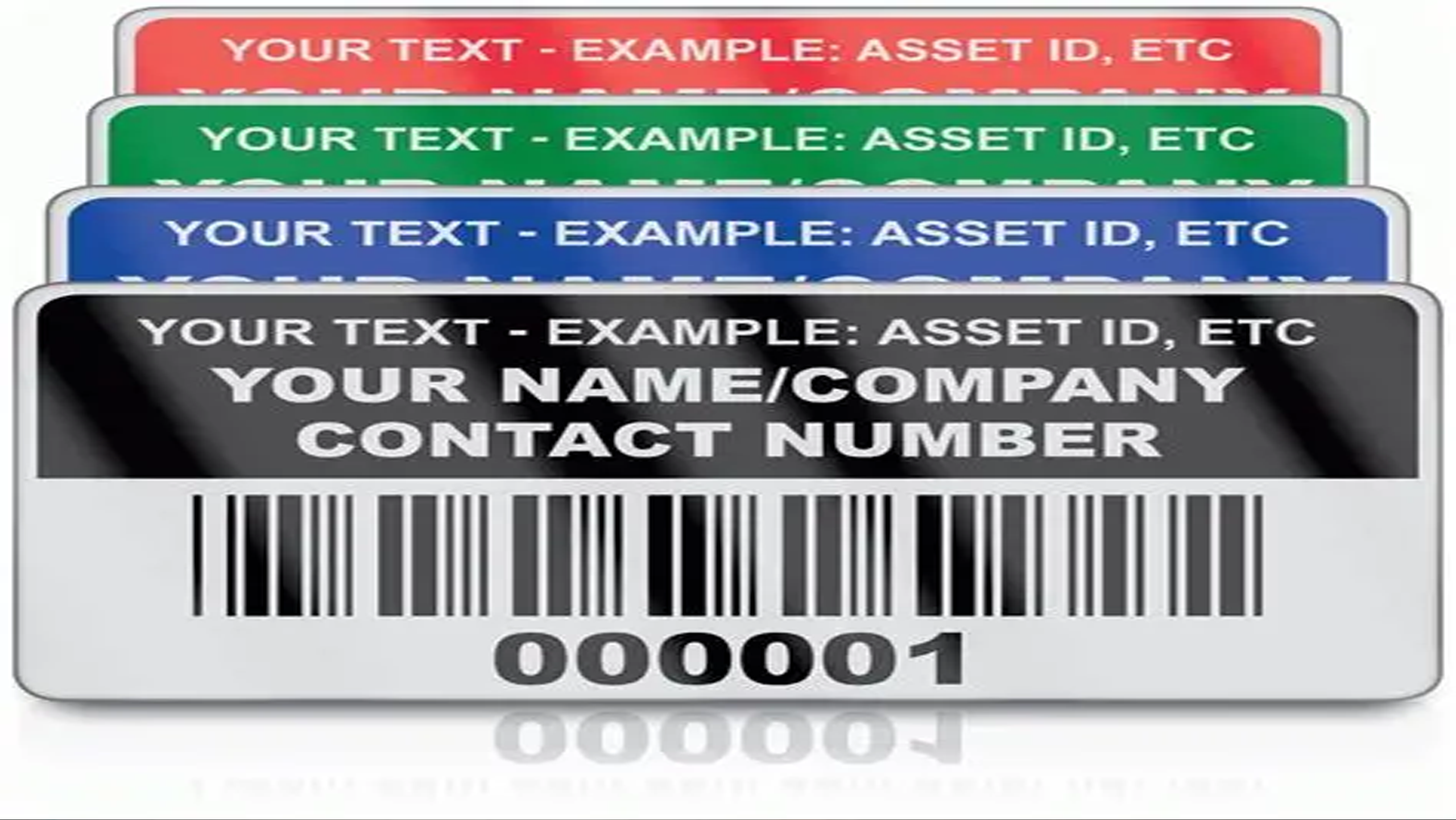
Why Magnetic Asset Tags Are Gaining Popularity
Magnetic asset tags are becoming an increasingly popular choice as warehouses adapt to constant change. Inventory shifts, layouts evolve, and equipment gets relocated — yet traditional adhesive tags often fail when adjustments are made.
Unlike single-use labels that peel, leave residue, or break during removal, magnetic options are designed for repeated repositioning without losing strength or readability. This makes them a practical solution for facilities that prioritize efficiency and organization.
When operations demand flexibility, reusable labeling helps reduce unnecessary labor while keeping products clearly identified.
Major Advantages of Using Magnetic Labels
Fast-moving warehouse environments require tools that support speed and accuracy. Magnetic labeling offers several operational benefits:
Easy relocation: Tags move with products, preventing confusion when items are temporarily shifted.
Long-lasting durability: Built to resist chemicals, cleaners, and everyday warehouse wear.
Custom design options: Include color coding, barcodes, or product details for faster identification.
Cleaner workflow: No adhesive buildup, scraping, or constant replacements.
Together, these advantages help teams manage inventory more efficiently while maintaining a professional, organized space.
What to Look for Before Choosing a Magnetic Tag
Not all magnetic labels deliver the same performance. Evaluating a few critical features can help ensure long-term reliability.
Strong magnetization
Tags should attach securely to common warehouse surfaces such as steel shelving, beams, and rack systems.
Clear readability
Important information must remain easy to scan from a distance to support faster picking and audits.
Rugged construction
High-quality materials prevent fading, cracking, or warping after repeated use.
Selecting durable products reduces replacement frequency and supports better cost control over time.
Where Magnetic Labels Deliver the Most Value
Reusable tags are especially effective in areas where inventory changes regularly.
Metal shelving and rack systems: Ideal surfaces for magnetic attachment.
Frequently updated barcodes: Move labels instantly without sticky residue.
Dynamic storage zones: Maintain a neat appearance even in high-traffic areas.
Because most warehouse infrastructure includes metal components, magnetic labeling integrates naturally into existing layouts.
Final Thoughts
Magnetic asset tags provide a flexible alternative to traditional labeling methods. Their reusable design supports changing warehouse conditions while helping teams stay organized and accurate.
Facilities that adopt magnetic labeling often benefit from:
✅ Faster inventory updates
✅ Reduced material waste
✅ Lower replacement costs
✅ Cleaner storage areas
✅ Improved operational flexibility
For warehouses experiencing frequent layout adjustments or product movement, magnetic asset tags offer a simple upgrade that delivers long-term efficiency.