.png)
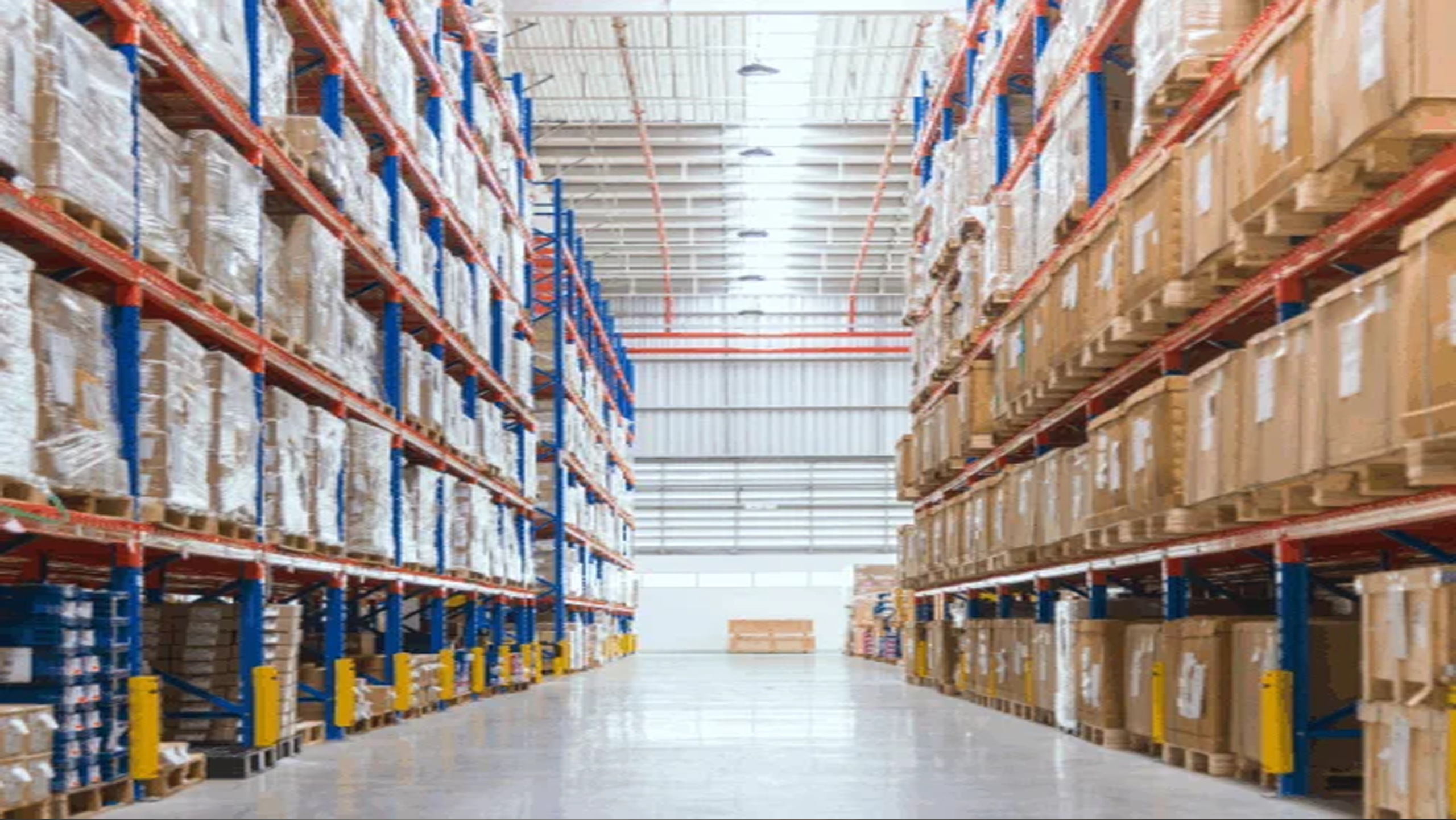
How to Maximize Warehouse Efficiency
Maximizing efficiency is the ultimate goal for every warehouse. Efficiency depends on many factors, including layout, docking procedures, space utilization, and warehouse traffic. By optimizing your warehouse space and keeping operations flowing smoothly, you can significantly improve overall performance.
1. Take Advantage of Forward Space
Forward space is the area reserved for fast-moving products that are shipped out quickly.
Place high-turnover items in easily accessible locations.
Reduce time spent retrieving frequently shipped products.
Save money and boost efficiency by minimizing handling and travel time.
2. Implement Proper Zoning
Zoning ensures that items are stored in the most efficient locations based on size, accessibility, and demand.
High-demand items should be near main aisles for quick access.
Organize items by type, size, or frequency of use.
Plan unloading and storage strategies around zoning to streamline operations.
3. Include Adequate Space for Each Task
Every warehouse task requires enough room to operate safely and efficiently.
Avoid congestion that slows down workflow.
Ensure picking, packing, and staging areas have sufficient space to function independently.
Proper task spacing reduces errors and improves overall productivity.
4. Prioritize Safety
Invest in quality racks, beams, and equipment—don’t cut corners.
Cheap or poorly installed racks can cause accidents and slow operations.
A safer warehouse keeps employees healthy and ensures operations run smoothly.
Proper safety measures reduce downtime due to injuries or damage.
5. Establish a Focal Point
Help employees, customers, and visitors navigate your warehouse with ease.
Set up a service desk or office as a central point.
Prevent unauthorized access to restricted areas.
Clear signage improves efficiency and reduces confusion.
6. Provide Space Between Aisles
Warehouse machinery needs enough room to move safely.
Ensure forklifts and carts can navigate aisles without obstruction.
Avoid sharp bends or clutter that blocks movement.
Proper aisle spacing speeds up picking and reduces accidents.
7. Plan for Future Growth
Warehouse layout should account for business growth.
Leave room for additional storage or equipment.
Anticipate increases in inventory volume and workflow changes.
Forward-thinking layouts prevent costly reorganization later.
Final Takeaway
Maximizing warehouse efficiency is about smart space utilization, strategic layout, safety, and planning for the future. By implementing forward space, proper zoning, adequate task areas, and safe equipment, your warehouse can operate smoothly, handle growth, and increase productivity.