

.png)
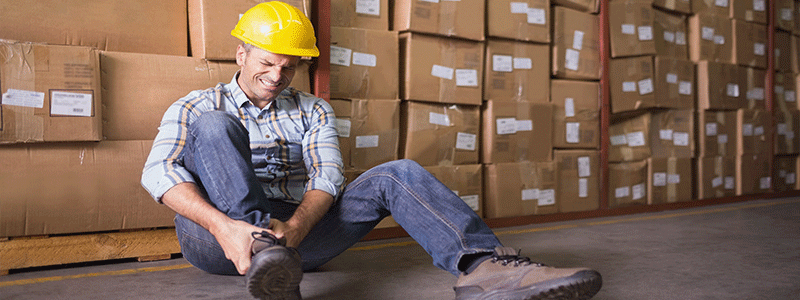
Warehouses can be a dangerous environment, and accidents are known to happen. Heavy machinery, many moving parts, high areas, and simply not carrying out tasks in a body-conscious manner all lead to some of the most common warehouse injuries. There are measures you can take to help prevent the common injuries in the workplace. Here are 5 of the most common injuries which occur in a warehouse and measures you can implement to help avoid these injuries.
Forklift Related Injuries. Forklift related injuries are all too common in warehouses, and sometimes can even lead to death. Most of these injuries are not caused by not knowing how to operate the machinery. Rather, injuries often come about when the operator has become too familiar with the machine and become complacent while performing tasks. Even though these forklift operators know their machine and probably know the safety measures associated with running it, they can become too lax when it comes to the rules.
To prevent forklift related injuries, encourage your employees to be aware can cautious of their surroundings and the consequences of inattentive machinery operation. Also educate all employees in the warehouse about how to be cautious when they are near heavy machinery.
Injuries Caused by Falling Objects. When objects are being moved from high areas, there is a chance they will fall. Adding to the risk is items which are sorted sloppily and stacked in a careless way. These items can easily fall either when they are being picked or items in the same area are being picked and shifted.
Pay special attention of oddly shaped items and be sure they are stacked neatly and securely. Take care with heavier loads that they are also stacked securely and do not run the risk of falling off of shelves.
Accidents Caused by Slipping, Tripping, or Falling. Most major injuries in a warehouse workplace are caused by slipping, tripping, or falling. These types of accidents are highly preventable, and employees should be aware of what they can do to avoid these accidents.
Accidents like these can mostly be prevented by cleaning up spills and clutter. Be sure there are no pieces of shelving which are jutting out, and secure safety rails in the proper areas to prevent falling.
Pallet Rack Collapse Injuries. Pallet racks which are not treated properly run the risk of collapsing and injuring people nearby. Improperly placing products and attempting to store small items in high areas both contribute to pallet rack collapse.
Regularly inspect your pallet racks to ensure that they are properly secured. Store heavy items on the bottom shelves of the pallet rack, and be sure there is enough space between pallet racks for forklifts to operate.
Ergonomic Injuries. These types of injuries can happen to anyone whether it is in an office setting or a warehouse setting. Often times and employee’s back or feet will experience the strain of everyday tasks and not taking these injuries seriously when they occur can lead to an employee being out of work for prolonged periods of time.
Make sure employees are aware of their limits and take proper care of their bodies. Provide everyone training on proper lifting techniques to help prevent these injuries.