

.png)
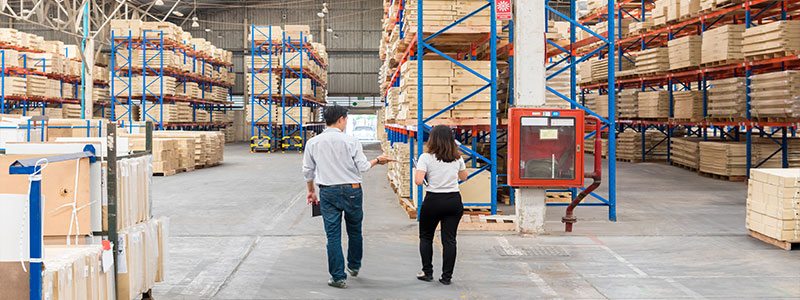
Taking inventory is often a dreaded task for warehouse operations. The designated employees who take inventory dread having to count every single item on your shelves. While taking inventory, operations are down and you are paying out overtime to the people taking inventory rather than getting your product off the shelves. In the end you are losing time and money by taking inventory in the traditional manner. Consider cycle counting with a cloud warehouse management system.
Cycle counting is when you periodically take stock of your inventory rather than putting all your operations to a halt to take inventory in one big clump. You choose the bins you wish to count periodically to ensure that each item is in its bin and the bins are holding the correct numbers of items. The inspections can be performed at any time and reduce the inaccuracy of taking inventory. Since cycle counting is done in smaller quantities, there is little oversight and no need for downtime.
Each facility differs in its execution of cycle counting. Some facilities might try to count the fastest moving items in the warehouse for frequently because there is more room for error. Or they cycle counting may occur by season, taking into account seasonal peaks and dips. The staff performing the cycle counting on the floor will follow step-by-step instructions on their mobile devices and update the system in real time.
Here are 5 ways cycle counting will improve your inventory accuracy:
Elimination of Physicals. Physical counting can disrupt all of the processes which are going on in your warehouse and it takes a substantial amount of planning and physical labor. Cycle counting will save you money in the long run because you will not lose time by stopping production, and you do not have to pay workers overtime when taking inventory.
Better Utilization of Employee Time. Employees will spend more time filling product instead of looking for it because the whereabouts and amounts of product will be updated more often. Employees will not need to stop work as often, resulting in a better flow to your warehouse.
Higher Fill Rates. A better flow to your warehouse means orders will get filled quicker. That results in being able to take in and send out more orders.
Better Identify Issues. Cycle counting allows you to run analytics against your inventory checks to better and more quickly determine the root cause of your issues.
Better Purchasing. With regular checks, you can better determine how much inventory you need during various times throughout the year. This will cut back on over ordering certain products.