

.png)
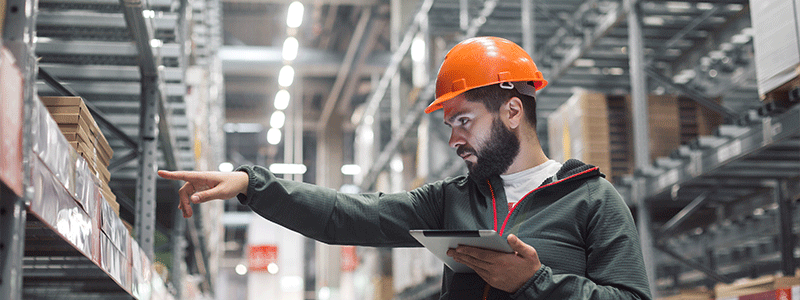
The term inventory control includes everything having to do with a company’s inventories. This refers to purchasing, shipping, receiving, tracking, warehousing and storage, turnover, and reordering. With so many crucial elements, it is best not to leave inventory control to human error or systems which may not get the job done right. Many companies are now investing in inventory control systems in order to better manage their inventory under one system. Here are the advantages of using a computerized inventory control system.
Your main goal in using an inventory control system should be to use your inventory to its full potential and maintain your proper inventory levels. With the right system, you no longer have to worry about whether or not you will be sitting on inventory which was over ordered, and you will not have to worry about running out of any items which are in high demand. Inventory control systems are also useful in the manufacturing side as you know how much you are able to manufacture while still being able to get your product out according to the consumers’ demands. With an inventory control system, you will be able to increase your profitability, maintain the appropriate levels of inventory, utilize barcodes to track inventory, and conduct audits more quickly and more easily.
A computerized inventory control system can offer you benefits that other inventory systems cannot. With a computerized system, you will be able to manage your entire inventory right from the palm of your hand. You can retrieve information on an item quickly and without hassle because your barcoding system allows you to access multiple tiers of information on any one item. Barcodes update inventory information in real time when an item is reordered, purchased, or being shipped out. It also notifies you automatically when a product reaches the point where it needs to be reordered. Your inventory control system can identify the best suppliers to meet the needs of your warehouse whether it is based on price, how fast the supplier can get the product to you, or any other factors which affect your inventory. The correct computerized inventory control system will keep you updated on how your warehouse is running, if your orders are going out on time, where your stock levels are in your warehouse, which items are not being moved out of your warehouse, and the rate of turnover for the items in your warehouse.