.png)
Warehouse Technology Trends Transforming Modern Operations
Warehouse technology trends continue to reshape how facilities operate, improving efficiency, safety, and cost control across the supply chain. As innovation accelerates, businesses are discovering smarter ways to manage inventory, streamline shipping, and enhance productivity from manufacturing through final delivery.
Staying informed about these advancements helps warehouse leaders remain competitive while preparing their operations for future growth.
Safety Technology Is Becoming Smarter
Safety remains one of the most important areas influenced by modern technology. Warehouses function like busy ecosystems where employees, equipment, and products constantly move — making accident prevention critical.
Today’s safety improvements include:
Forklift motion sensors
Automated gate systems
Pedestrian detection technology
Vision-guided tow vehicles
These tools reduce product damage, minimize collisions, and create safer working environments without slowing productivity.
As a result, companies adopting advanced safety solutions often see fewer disruptions and lower long-term operational risk.
Mobile Devices Improve Visibility
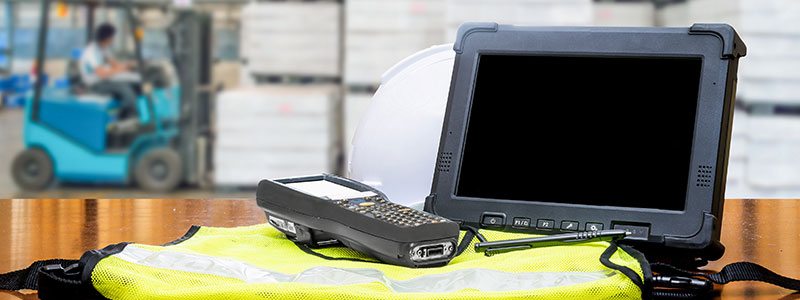
Another major warehouse technology trend is the widespread adoption of mobility devices such as handheld scanners, barcode readers, and RFID tools.
With real-time data, managers gain immediate insight into:
Inventory movement
Order status
Workforce productivity
Shipping timelines
Better visibility allows leaders to respond faster to operational challenges while maintaining tighter inventory control.
E-Commerce Continues to Drive Innovation
The growth of online shopping has permanently changed warehouse expectations. With a significant percentage of transactions now happening digitally, fulfillment speed and accuracy are more important than ever.
To keep pace, many facilities are investing in scalable warehouse management systems (WMS) that deliver:
Improved organization
Faster picking processes
Shipment visibility
Advanced troubleshooting
These capabilities help warehouses meet rising consumer expectations without sacrificing operational stability.
Modern Storage Systems Maximize Space
While shelving and pallet racks may seem traditional, customization has dramatically improved their effectiveness.
Today’s storage strategies allow facilities to:
Combine multiple racking methods
Install conveyor integrations
Utilize vertical space
Design layouts around workflow
Compared to warehouses of decades past, modern storage solutions support higher throughput while optimizing every square foot.
Automation Is Expanding Beyond Manufacturing
Automation is no longer limited to production floors. Increasingly, warehouses are deploying robotics and intelligent systems to improve accuracy and productivity.
Automated technology can:
Reduce human error
Enhance workplace safety
Shorten lead times
Increase operational consistency
As more organizations recognize these benefits, automation is quickly becoming a standard feature of high-performing warehouses.
Software Enables Data-Driven Decisions
Advanced software platforms now play a central role in warehouse strategy. From planning to execution, digital tools help managers refine operations and uncover efficiency opportunities.
With the right system, warehouses can:
Track workflow progress
Monitor inbound and outbound shipments
Analyze historical performance
Forecast demand
Optimize labor scheduling
Better data leads directly to smarter decisions — and stronger financial outcomes.
Preparing Your Warehouse for the Future
Technology is pushing warehouses toward faster, safer, and more accurate operations. Businesses that embrace these warehouse technology trends position themselves to reduce costs, improve service levels, and adapt to evolving customer demands.
Ultimately, investing in the right tools today ensures your facility remains competitive tomorrow.